No Diaspora Wars
This is going to sound like an accusation, but it really is a teachable moment. Ethnicity and race are two different classifications. Somehow we understand this when it comes to whiteness–a person can be both white and British, white and German, and white and Italian-Greek-French-Comanche and we barely bat an eye. White people love to spout their ancestry so many generations back that it is a wonder that they do not claim that their great-great-great-grandparents built the first ships in creation.
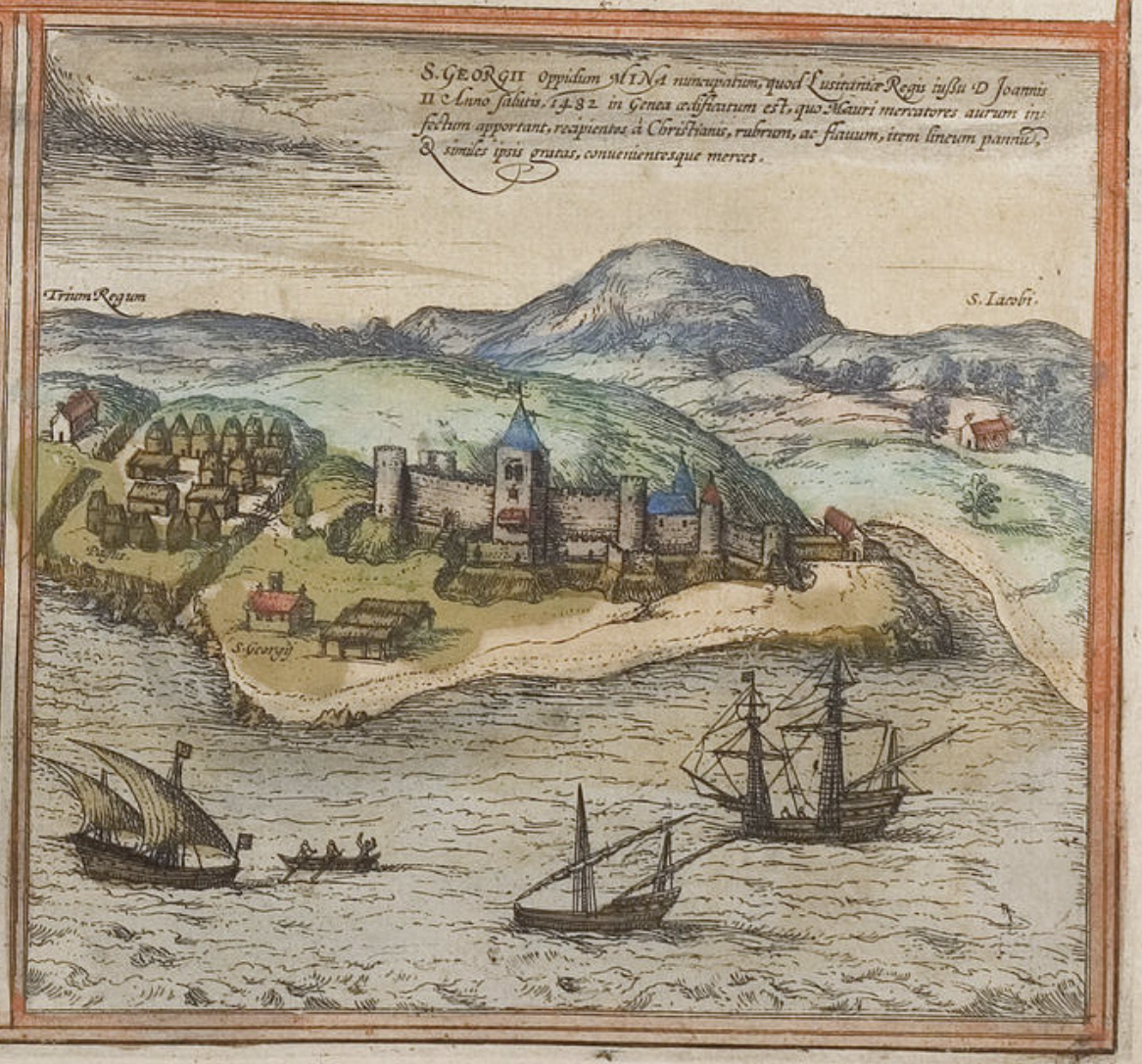
George Braun, 1572 (courtesy of Wikipedia)
Their pride for a history they have no connection to is astounding, but I’m not talking about them.
When it comes to blackness, how do we expand our understanding of the diaspora?
First, let’s talk history. Black culture–art, music, literature–doesn’t start with slavery. It is the savagery of the Transatlantic slave trade that both connected and fractured black people more deeply than the many unique nations that existed before slavery and colonization. Before these cruel and long lasting events, nations did not see themselves as one. They were distinct sovereign civilizations. It is the terrors of European invasion which lopped all these nations into one–Africa.
On one hand, it bound us together, figuratively and literally, as one people. On the other hand, after binding us together, we were then scattered across the world to experience gross atrocities customized to where we ended up. A lesser known fact of the Transatlantic slave trade is that North America received fewer enslaved Africans than the other ports of departure from slave ships.
What we know now as Brazil was the largest port of the slave trade, with almost 50% of Africans transported there. The British Caribbean is second with nearly 20%, then the rest of South America at almost 17%, and the French Caribbean at 13%. What we know as the US had under 10% of enslaved Africans trafficked to its shores. Even Europe had Africans trafficked to their countries, although far less than all the other slave ports.
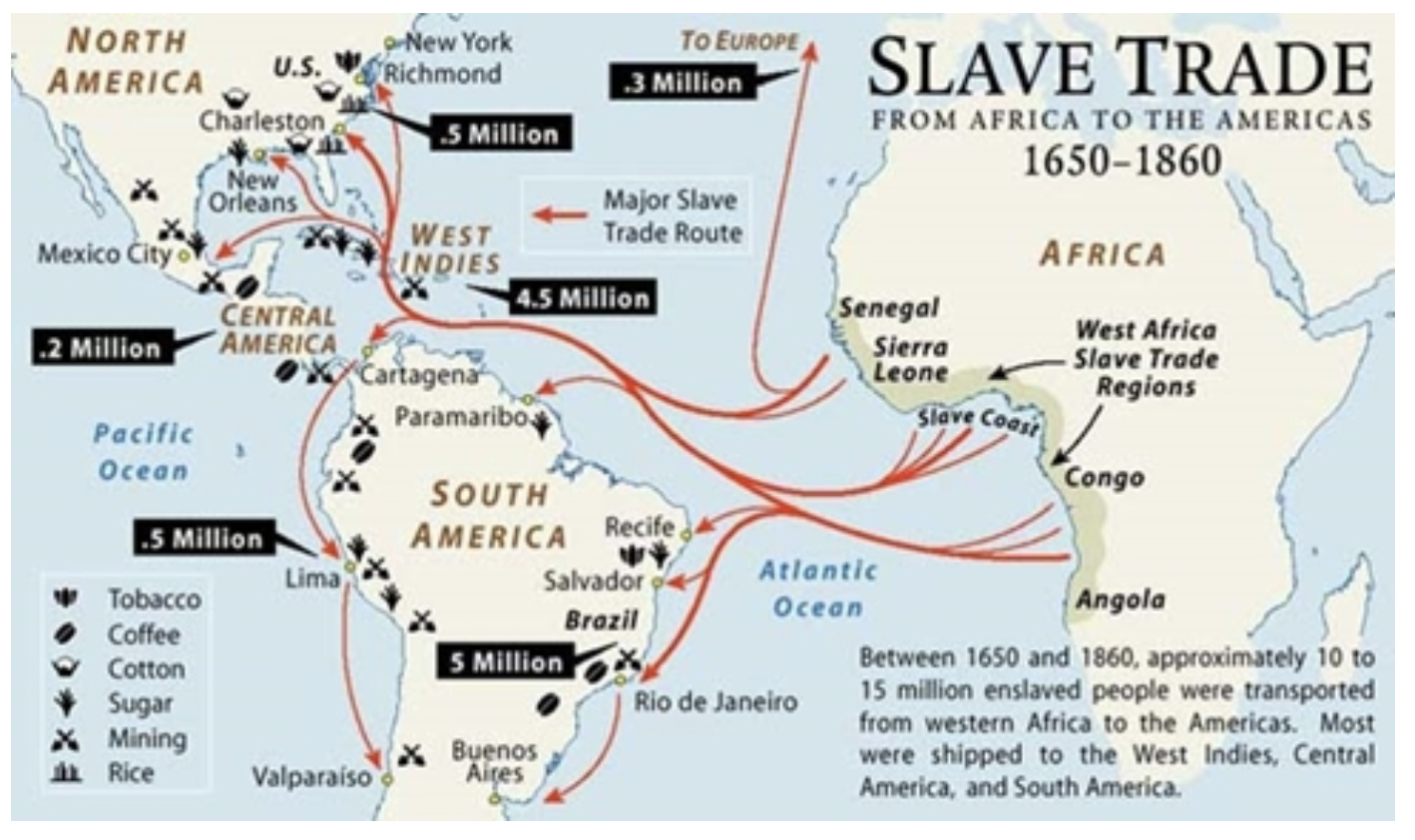
Sidenote: Portugal trafficked more Africans than the British, followed by Spain and France. This may be why Brazil is still the country with the most black people in the world. Yes, including African countries!
With this information, it is important to be clear about conversations about black people and society. Are we talking about black people globally, descendants of enslaved Africans, or Black Americans? It seems like a strange line in the sand, but it is easy to be myopic about the black experience and, you know, to laser focus on African Americans and not the whole diaspora.
But in order to be globally black, we need to read more. Read widely. It’s like Chimamanda Adichie said “Stories can break the dignity of a people, but stories can also repair that broken dignity. And a kind of paradise can be regained.”
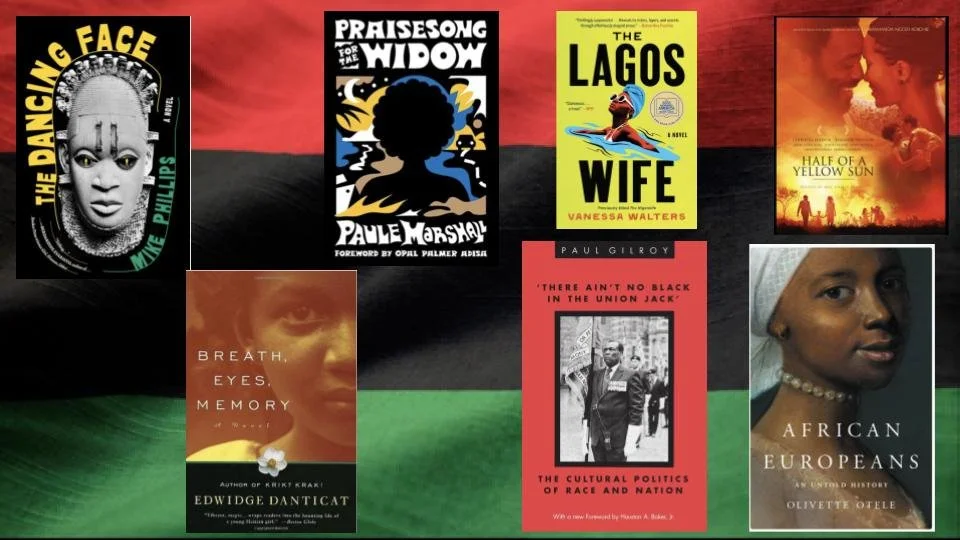
I’m not saying it’s wrong to focus on the experiences that have a personal impact, I’m just saying we should be aware of doing it. Still, being globally black is something to strive for. Be like James Baldwin and connect to the Afro French experience, be like Mike Philips, Paule Marshall and Edwidge Danticat and have your feet in more than one country. I have so many books that I want to share that can start this process.
Read. Find out the connections, the fractures, the repairs, all the ways that if you look at the triangular slave trade creates a giant spider web connecting all of us. No diaspora wars.
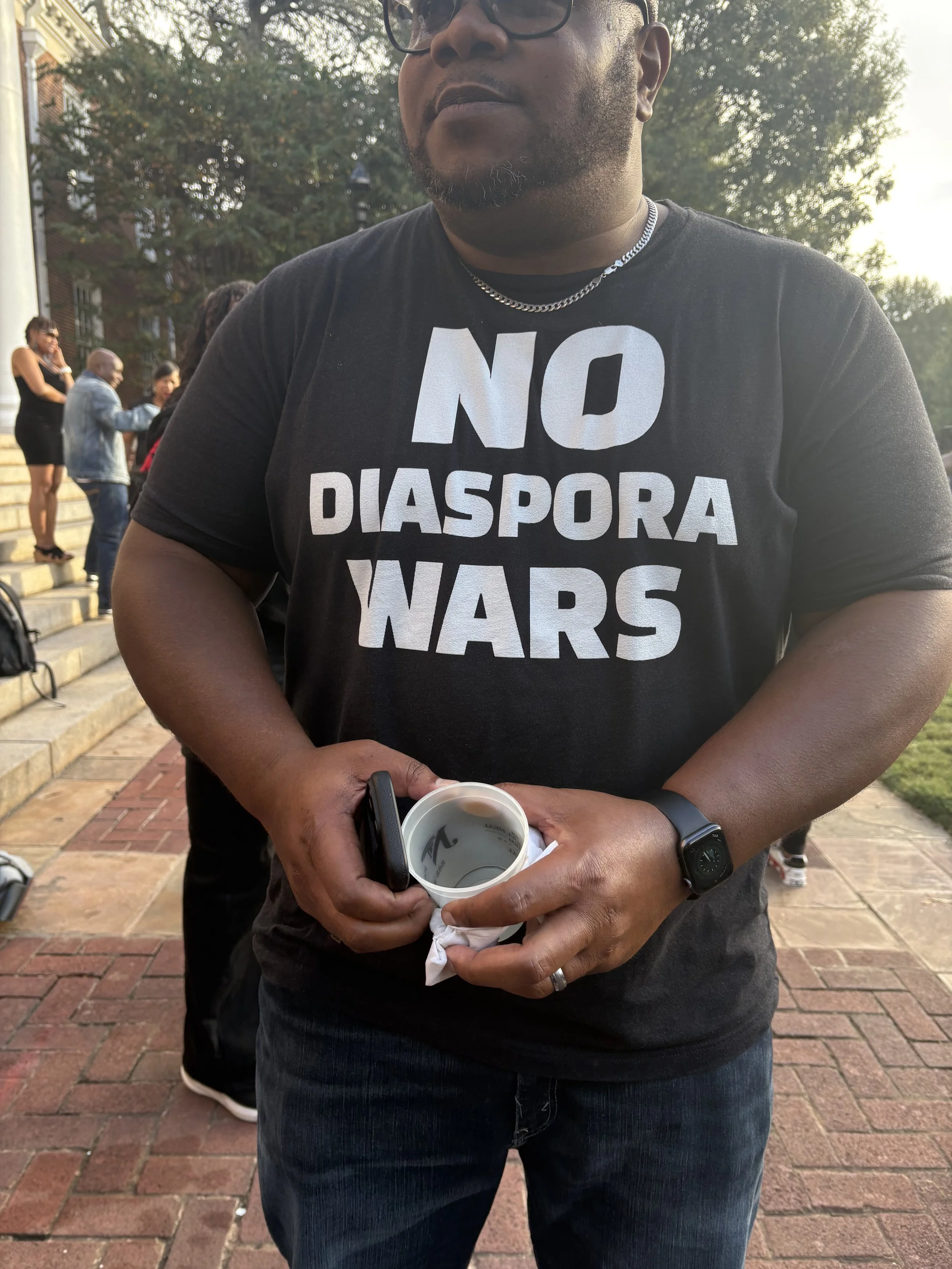
Meeting a man at Clark Atlanta Homecoming 2026, inspiration for this post